The click of the record player, the warm hum of the speakers, the sliding of the vinyl from its sleeve. The needle drops, tracing the grooves, and suddenly the room fills with a sound that feels almost magical and nostalgic.
In an age of streaming, there are still places where music lives on vinyl. Even though streaming has changed how most of us consume music, it could never fully replace physical media.
Today, those rituals and that warm, physical sound, are kept alive in the small CD and vinyl shops scattered throughout cities and neighborhoods, competing with big superstores like Target and Walmart. These stores stand as reminders of a time when music wasn’t something you scrolled past; it was something physical that you held, searched for, and experienced. So, I visited one of those shops to see how they continue to survive in an ever-digital world and to hear from the people who keep this culture spinning.
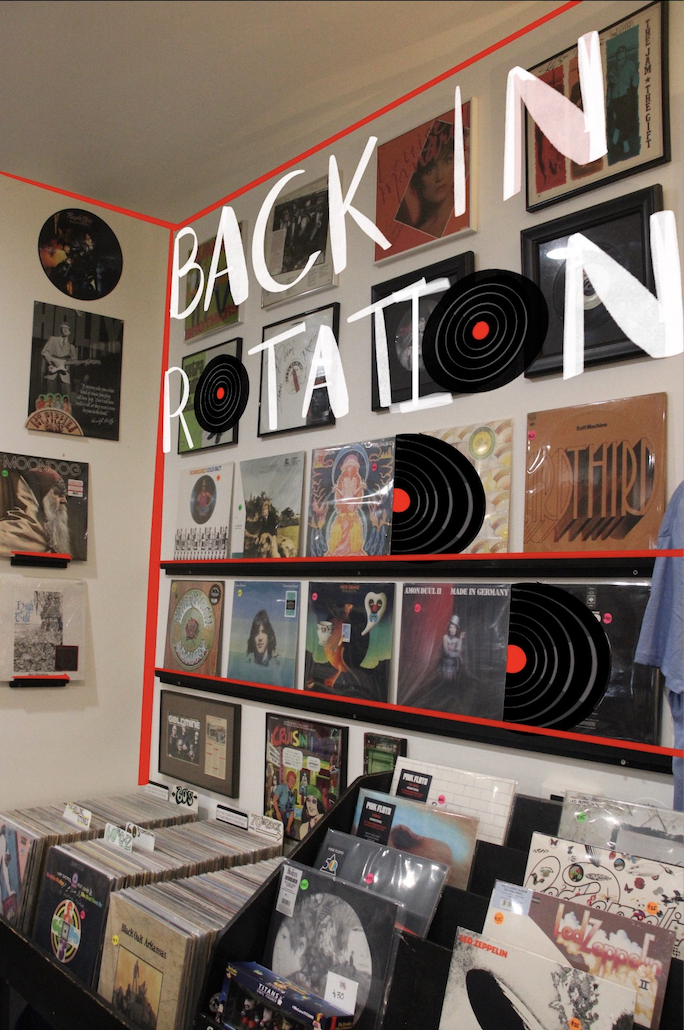
Inside the shop, walls are lined with colorful albums and posters, rows of vinyl crates stretch across the room, and a faint jazz plays overhead. The air holds the scent of the aged cardboard sleeves, old wood, and faint scent of vinyl that collectors instantly recognize.
Matt Anthony, owner of Matt Anthony’s Record Shop, has been working there for 14 years. “Vinyl has always been the focus,” he said, even though he also carries CDs, T-shirts, and other pieces of music culture. Before opening his own shop, Anthony worked at a legendary local store called Ear Ecstasy, a massive two-floor music haven that eventually closed when CD sales crashed in the early 2000s. “I knew there would still be a hole to fill,” he explained.
Anthony believes small, local shops survive because they adapt faster than big retailers. While stores like Target only carry the most mainstream artists, independent record shops dig up underground releases, new local bands, and rare pressings. “We’re on the ground floor.” he said “We know what people want before the big places even hear about it.” And to him, streaming alone will never satisfy music lovers. “Streaming and music in the air wouldn’t be enough for people. People need something physical.”
Listening to music on vinyl stretches back to the phonograph in 1877 to the gramophone a decade later. Formats evolved throughout the 20th century, especially in the early 2000s CDs and MP3 players took over. Even then, vinyl quietly held its ground. Anthony has been buying vinyl since the 90s, long before the resurgence most people talk about today. He’s watched waves of music formats rise and fall: cassettes, CDs, MP3s, and now streaming. But through it all, he says vinyl never truly died. “We’re humans, not robots,” he said, “We like to hold things, see things.”
For him, that’s why physical music will always matter. Even now, he points out gaps on Spotify where albums simply don’t exist. “What are you going to do if you love that artist? Just don’t listen to it. “Absolutely Not.” His shop still sells records from the 1940s to underground artists that play perfectly, something he argues digital files could never promise decades into the future.
Personally, I joined the resurgence of vinyls following most of my older family members, who have been collecting them since they were young as well. Music from the early 1900s to now is all in my collection passed down from them. The physical music in front of you, with 20 minutes of an album on both sides, brings me comfort and warmth, something that digital streaming music can’t bring to me and others. The collection of the covers, the colorful vinyl, and posters makes vinyls even more special to those who collect them.
As our society keeps evolving as the decades go by, the physical media will forever be part of our culture, our way of preserving music from different eras. Just like Anthony said, we aren’t robots. We like to hold things, flip through them, and feel connected to the music we love. That’s why vinyl will always matter— not just to collectors, but to anyone who wants to feel alive.